

“ULA is committed to full transparency with our customers, and they will have visibility into the investigation process, which utilizes rigorous methodology and corrective action. We will provide further updates when new information becomes available.”
Credit:
United Launch Alliance
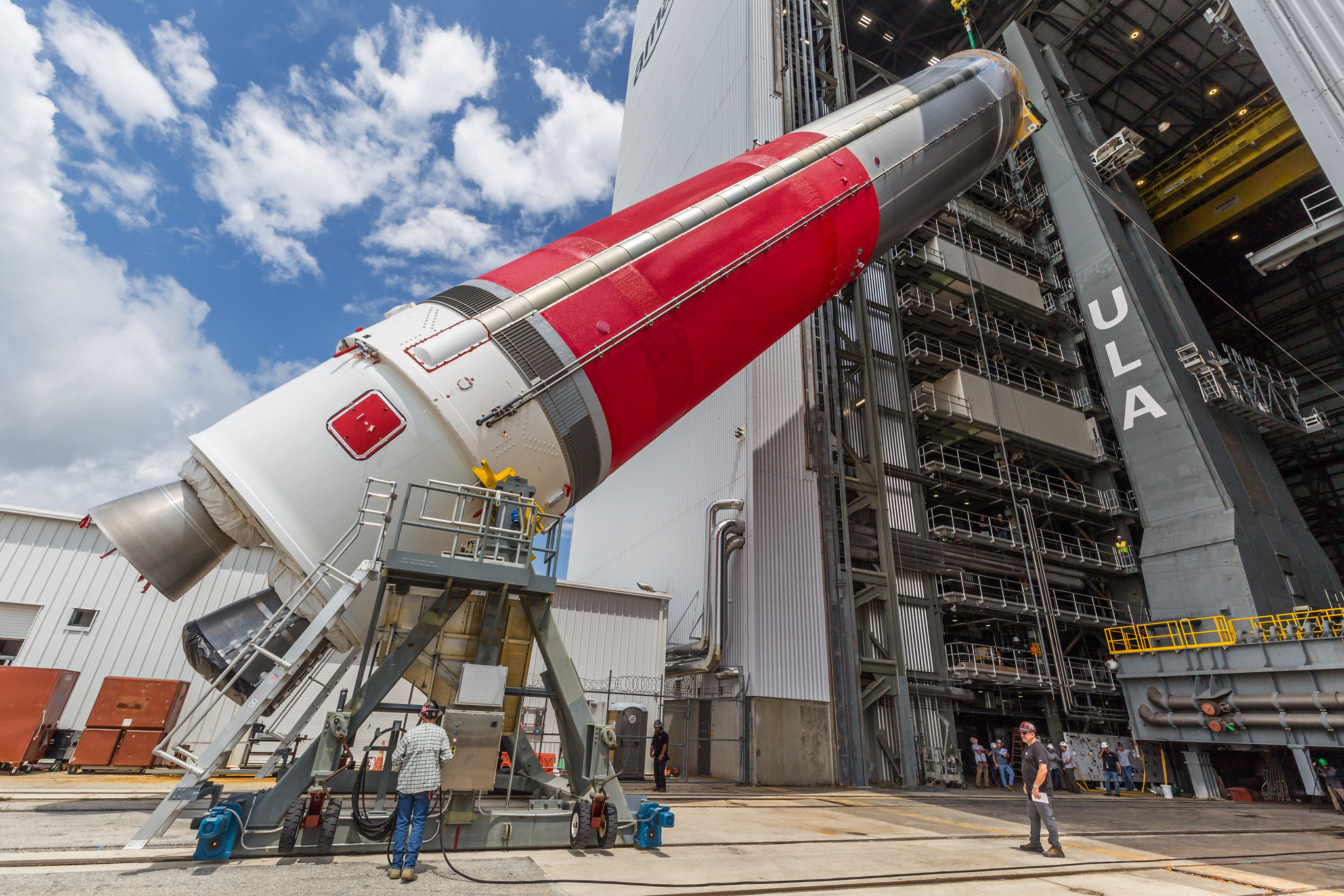
ULA’s Vulcan rocket is powered by two BE-4 main engines made by Blue Origin.
Credit:
United Launch Alliance
Something amiss
The first indications of trouble Sunday appeared to crop up before the 10-minute mark of the flight, the point in time when ULA initially said the anomaly occurred.
Multiple sources told Ars the anomaly that impacted the launch occurred in the booster stage of the rocket, not the Centaur V upper stage or the solid rocket boosters. It could not immediately be determined whether the booster stage issue was caused by the two methane-burning BE-4 engines that power it, some other part of the booster that feeds propellant into the engines, or another problem.
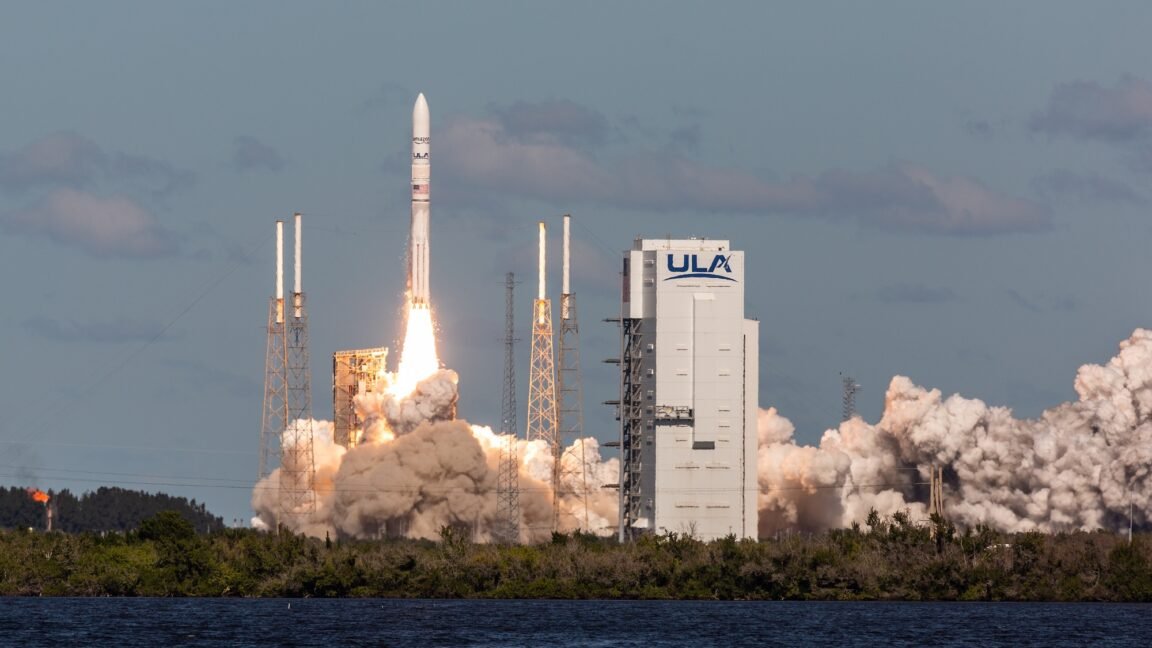
Heading northeast from Cape Canaveral, Vulcan jettisoned its spent solid rocket boosters on time, leaving the launcher flying on the power of its twin BE-4 main engines supplied by Blue Origin, Jeff Bezos’s space company. The BE-4s, each designed to produce more than a half-million pounds of thrust, were supposed to shut down just shy of the flight’s five-minute mark. However, they continued firing for at least 30 additional seconds.
Such an overburn could be an indication the booster stage was not performing as expected and operated longer to try to compensate for the underperformance.
A mission animation on ULA’s broadcast, driven by real-time telemetry data from the rocket, showed Vulcan start to spin moments after booster engine shutdown. The spin continued through separation of the rocket’s Centaur V upper stage a few seconds later. ULA’s launch commentator confirmed ignition of the Centaur’s two RL10 engines, and the animation showed them vectoring thrust in an apparent attempt to put the rocket back on course.
ULA ended its live broadcast a few minutes later without discussion of the anomaly. The company then released a statement on social media declaring the launch a failure. This was the first total mission failure for United Launch Alliance since its formation in 2006 with the merger of the rocket divisions of Boeing and Lockheed Martin.
