Close Menu
techwavedispatch.com

    Subscribe to Updates

    Get the latest creative news from FooBar about art, design and business.

    What's Hot

    Why Does Your Phone Say No Service Even With A SIM Card?

    November 21, 2026

    From Sessions to Serving: Integrating LLM-Based Embeddings into Retrieval for Production Content Recommendation

    November 21, 2026

    The Free Raspberry Pi Tool You Should Be Using To Access It Remotely

    November 21, 2026
    Facebook X (Twitter) Instagram
    Trending
    • Why Does Your Phone Say No Service Even With A SIM Card?
    • From Sessions to Serving: Integrating LLM-Based Embeddings into Retrieval for Production Content Recommendation
    • The Free Raspberry Pi Tool You Should Be Using To Access It Remotely
    • Fixed-Budget RLVR Trades Test-Time Scaling for In-Budget Accuracy
    • Review: Godzilla Minus Zero is everything we could want in a sequel
    • Amazon is complaining about NYC Council on shipping labels, too
    • This Built-In Windows Tool Can Tell If Your DirectX Has A Problem
    • Understanding MoE Decisions Beyond Gradients
    Facebook X (Twitter) Instagram
    techwavedispatch.com
    Subscribe
    Saturday, November 21
    • Home
    • AI Tools & Software
    • Machine Learning
    • Generative AI
    • Robotics & Automation
    • Future Tech & Hardware
    • AI in Business
    • Ethics & Regulations
    • More
      • Gadgets & Smart Devices
      • Cybersecurity & AI
      • Tech Breakthroughs
    techwavedispatch.com
    Home»Gadgets & Smart Devices»The Free Raspberry Pi Tool You Should Be Using To Access It Remotely
    Gadgets & Smart Devices

    The Free Raspberry Pi Tool You Should Be Using To Access It Remotely

    adminBy adminNovember 21, 2026No Comments3 Mins Read
    Facebook Twitter Pinterest LinkedIn Tumblr Email
    The Free Raspberry Pi Tool You Should Be Using To Access It Remotely
    Share
    Facebook Twitter LinkedIn Pinterest Email

    Avoid forwarding ports by using this handy tool.
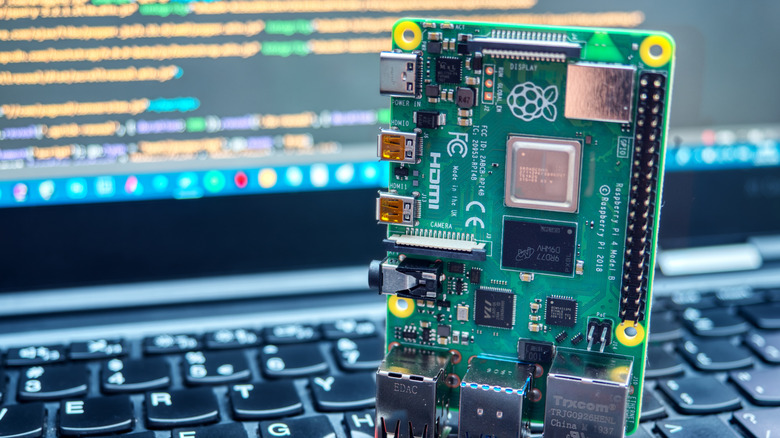

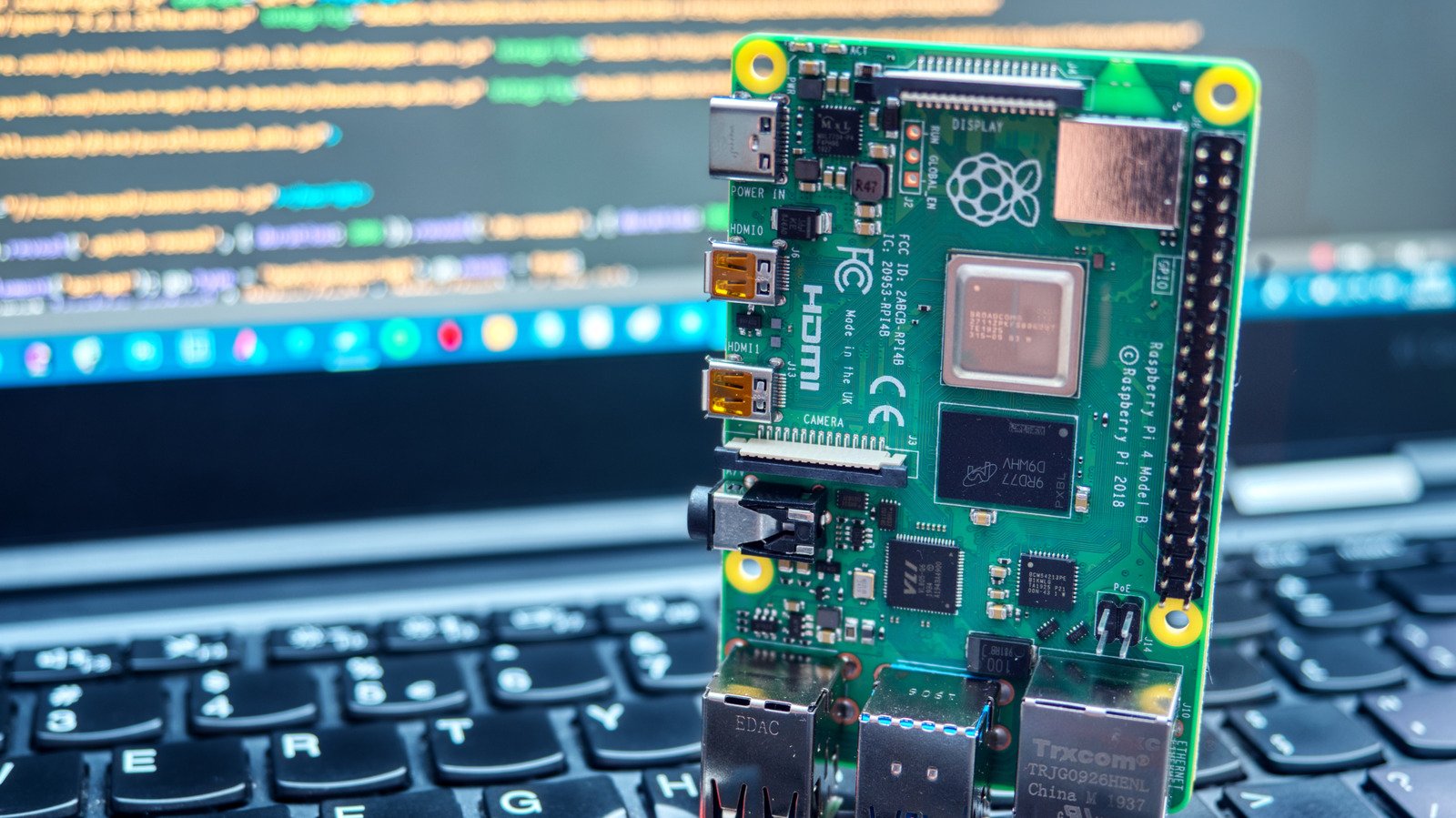
    A Raspberry Pi unit resting on top of a laptop keyboard.
    Pazargic Liviu/Shutterstock

    Remote access to a Raspberry Pi is invaluable for home projects when you can’t access your device directly. In the past, logging into your Pi meant setting up a VNC service or SSH tunneling, both of which require port forwarding. It can be a hassle for beginners and a potential security risk for certain projects. Thankfully, there’s a better way to access your Raspberry Pi remotely without wrangling ports.

    Raspberry Pi Connect is a program created by Raspberry Pi that lets you communicate with your Pi unit over the internet from outside your network. It’s convenient, doesn’t require port forwarding and lets you access your Pi when you’re outside your network. The best part is that Connect works automatically with your device if it’s running Bookworm or later. Older devices have limited options with Connect, but as long as you’re running Pi OS or its Lite variant, you can set it up as quickly as running a few commands in an SSH terminal.

    How does Raspberry Pi Connect work?
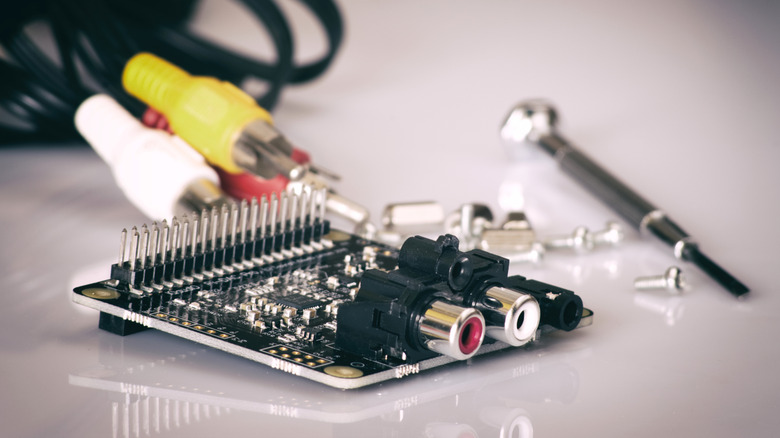

    A Raspberry Pi model next to some component video cables.
    MR_ross/Shutterstock

    Raspberry Pi Connect leverages WebRTC, a peer-to-peer connection between two web browsers that runs through a secure tunnel. It doesn’t require any third-party software on your Pi unit, and its secure nature lets it bypass strict firewalls and restricted NATs. Since it runs over the internet, you will need internet access and a Raspberry Pi Connect account to use it.

    Connect offers two key features: screen sharing and remote shell. The remote shell acts as an SSH terminal that runs in your browser, making it ideal for monitoring or running commands remotely. Screen share lets you turn your browser into a remote desktop for your Pi. Screen shares run through a Wayland session, which will use the Pi’s resources and require an active desktop session; remote shell does not. If you’re using an older Pi model, be sure to update its Pi OS if you want to use Connect’s screen sharing feature. Pi OS Lite and X11 are not compatible with this feature.

    How to use Raspberry Pi Connect
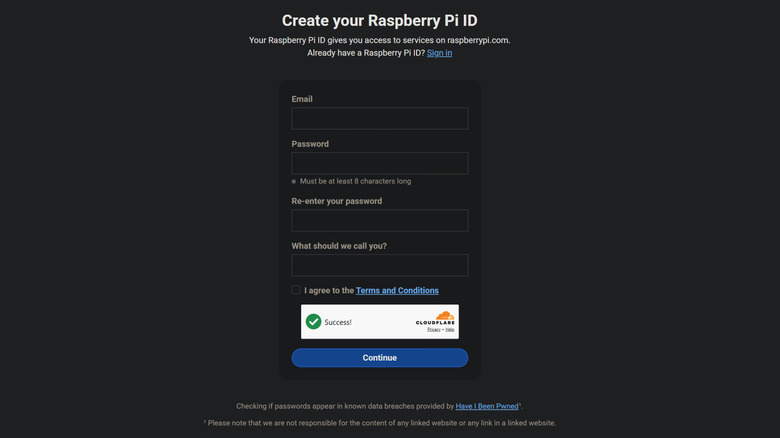

    A screenshot of the Raspberry Pi ID creation webpage.
    Raspberry Pi

    Using Raspberry Pi Connect is fairly easy. You’ll need two things: Pi Connect installed on your Pi unit and an internet connection. Pi Connect comes in full and lite packages. The full package includes screen-sharing compatibility for Pi units connected to a display, while the lite package is for remote access only. To install the package, start an SSH session with your Pi unit and run the following: 

    • For the full package, type “sudo apt install rpi-connect”.
    • For the lite package, type “sudo apt install rpi-connect-lite”. 

    After installing either package, type “rpi-connect on” to enable access to the internet.

    Now that Connect is ready, it’s time to access your Raspberry Pi. Head to connect.raspberrypi.com and sign in to your Pi account. If you don’t have one, you can create one from that menu. Once logged in, you’ll need to link your Pi unit to your account. Specific instructions on how to link your Pi unit can be found on the Raspberry Pi website, located under the “Get Started” section. Once linked, sign in to your account, select the “Connect via” button, and then pick your preferred connection option. If you need to make further changes to your Raspberry Pi, you can do so easily by logging in and connecting to your device.

    access Free Raspberry remotely tool
    Share. Facebook Twitter Pinterest LinkedIn Tumblr Email
    admin
    • Website

    Related Posts

    Why Does Your Phone Say No Service Even With A SIM Card?

    November 21, 2026

    This Built-In Windows Tool Can Tell If Your DirectX Has A Problem

    November 21, 2026

    FBI And USDA Were Reportedly Targeted In Back-To-Back Cyberattacks

    November 21, 2026
    Leave A Reply Cancel Reply

    Top Posts

    NVIDIA Is Investigating Reports That CEO Jensen Huang Was The Target Of Chinese Spy Efforts

    November 8, 202619 Views

    ADIndex: Layer-Adaptive Sparse Attention Indexing via Group-Level Distillation

    November 11, 20266 Views

    One Policy for 100 Household Tasks: Our Solution for the 2026 BEHAVIOR Challenge

    November 11, 20265 Views

    Anthropic releases new Mythos and Fable models amid RSI concerns

    November 9, 20265 Views
    Don't Miss
    Gadgets & Smart Devices

    Why Does Your Phone Say No Service Even With A SIM Card?

    By adminNovember 21, 20260

    SIM stands for Subscriber Identity Module. Your SIM card’s main purpose is to safely and…

    From Sessions to Serving: Integrating LLM-Based Embeddings into Retrieval for Production Content Recommendation

    November 21, 2026

    The Free Raspberry Pi Tool You Should Be Using To Access It Remotely

    November 21, 2026

    Fixed-Budget RLVR Trades Test-Time Scaling for In-Budget Accuracy

    November 21, 2026
    About Us

    Welcome to TechWave Dispatch

    At TechWave Dispatch, we bring you the latest news, insights, and developments from the ever-evolving world of technology. Our mission is to keep readers informed about the innovations shaping our digital future.

    From artificial intelligence and machine learning to cybersecurity, robotics, smart devices, and groundbreaking technologies, we cover the topics that matter in today's fast-moving tech landscape.

    Our Picks

    Why Does Your Phone Say No Service Even With A SIM Card?

    November 21, 2026

    From Sessions to Serving: Integrating LLM-Based Embeddings into Retrieval for Production Content Recommendation

    November 21, 2026

    The Free Raspberry Pi Tool You Should Be Using To Access It Remotely

    November 21, 2026
    Most Popular

    After blocking Muse, Amazon now lets users text Alexa to help them shop

    November 6, 20260 Views

    A controlled world for robot learning and evaluation

    November 6, 20260 Views

    Egyptian and Nigerian English join the Open ASR Leaderboard

    November 6, 20260 Views
    Facebook X (Twitter) Instagram Pinterest
    • Terms and Conditions
    • Privacy Policy
    • Contact Us
    • About Us
    © 2026 TechWave Dispatch. All Rights Reserved.

    Type above and press Enter to search. Press Esc to cancel.