

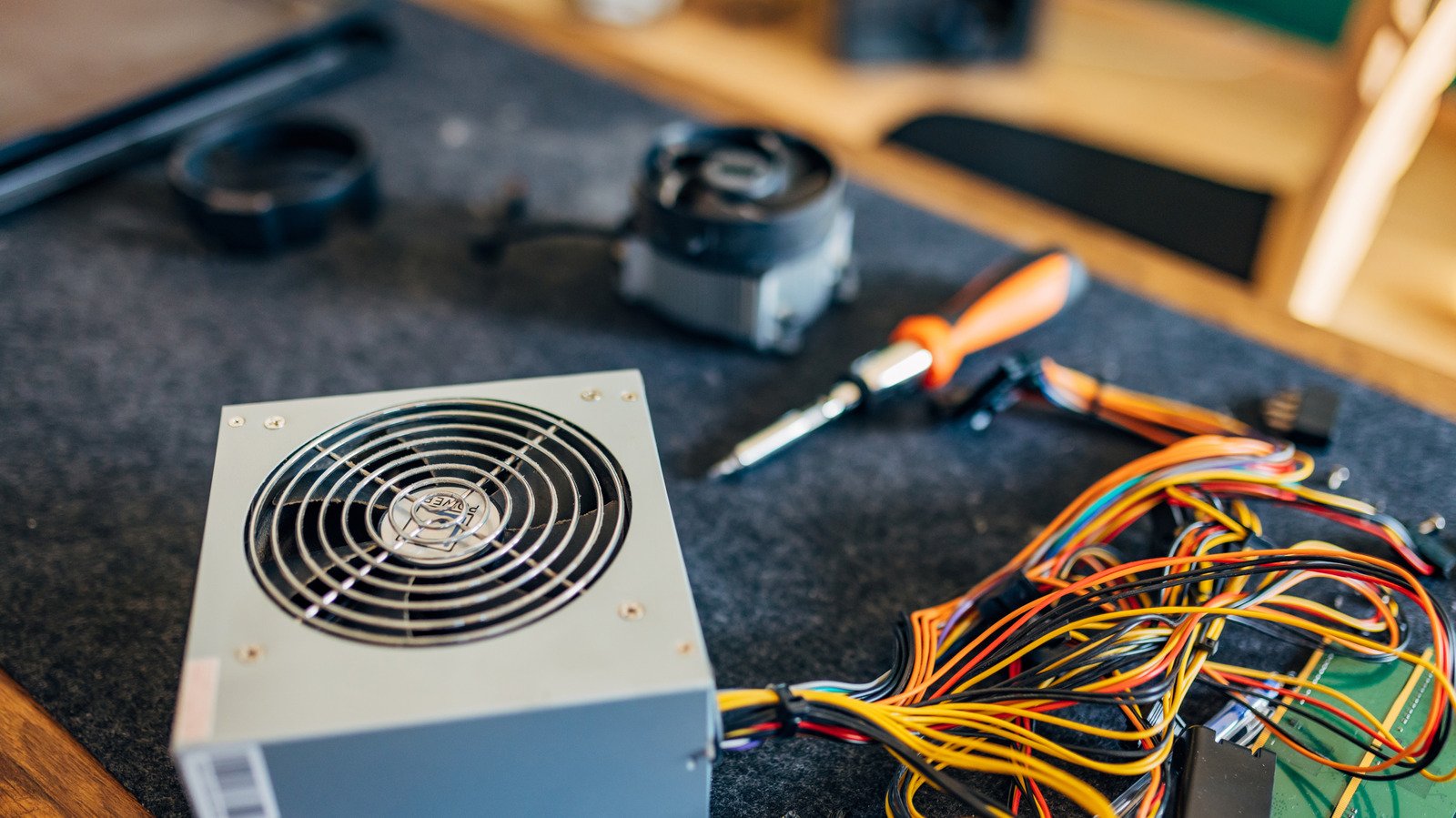
While degradation is an obvious problem for PC parts, it’s a loss of compatibility that you really have to worry about.
Despite the massive cost sinks that go into building a solid PC, many of the parts can easily be reused. That’s a good thing, because with no end in sight for the GPU supply problem, the prices of all electronics will likely continue to be pushed up. Nonetheless, in this era of planned obsolescence, it’s not unreasonable to be concerned about the lifetime of PC parts. The good news is that old hardware rarely becomes truly useless. Most components keep working until they physically break, though compatibility gaps and rising software demands can eventually leave them obsolete for modern use.
PC parts aren’t only great for reuse in building or modding PCs but also for completely separate projects. An old fan purchased in a job lot could easily find a new life as a desk fan, whereas a slab of RAM you’re not using anymore can be turned into easy money. As components like HDDs and SSDs remain expensive, it’s important to keep tabs on how long your current hardware could last.
Which PC components last the longest?
There are generally two categories of components to go over when looking at hardiness. The first are parts that don’t massively hinge on compatibility with platform and demand changes, chiefly fans and PC cases. Simple cooling devices and less complex PC cases will likely last you a decade or more if you’re kind to them. You will, of course, need to give them a good clean and the occasional tune-up over time, but they’ll likely hold up for a long while before passing the point of no return.
The question becomes a little tricky with other components. Your CPU and RAM sticks will probably last a good while, potentially well over a decade, if you don’t see any dire power surges and avoid extreme temperature conditions. Your motherboard, though it can last more than seven years, is where a lack of compatibility really becomes an issue. Not only do motherboards go out of style every few years, but their increasing complexity brings more and more points of failure, leaving more opportunities for outright breakage. GPUs are in a similar boat, as increasing demands in the gaming space lead to new GPUs falling out of favor every three to five years.
When PC components become useless
There’s quite the smorgasbord of factors that go into how long PC components can last — from the type of component in question to how much use they’ve seen historically. The condition hardware is kept in matters too, as poor storage could lead to battery death or leaks, mold growth, corrosion and much more. So do the materials an item is made from; rubberized vintage tech in particular will likely erode into a sticky mess over time — though even this can be patched up.
It also matters what is meant by obsolescence here; a GPU that still works fine may not be strong enough to run many of today’s demanding, less-optimized programs. Since RAM prices are high right now, graphics cards are selling for more too, so you’re probably better off selling a GPU that can’t keep pace by itself. While most components will keep chugging along unless they’re properly broken, a lack of compatibility can bleed through your old tech supply. Even if you don’t have any plans to run the latest games, the internet itself might be too demanding for a vintage rig, as modern websites are bloated with ads and animated elements that are far too demanding for ancient CPUs.
