Close Menu
techwavedispatch.com

    Subscribe to Updates

    Get the latest creative news from FooBar about art, design and business.

    What's Hot

    OpenAI’s chief scientist has thoughts on how to limit AI development

    November 22, 2026

    How Secure Is Your Password? Here’s How To Test It

    November 22, 2026

    These iOS Settings Will Help You Control Your Mobile Data Use

    November 22, 2026
    Facebook X (Twitter) Instagram
    Trending
    • OpenAI’s chief scientist has thoughts on how to limit AI development
    • How Secure Is Your Password? Here’s How To Test It
    • These iOS Settings Will Help You Control Your Mobile Data Use
    • What The Tiny Key Icon Means On Your Android Device
    • You Don’t Need A Foldable Phone To Use Split Screen On Android
    • The Advantages Of Using A USB-C Docking Station
    • Want More Control Over Your YouTube Homepage? Try Using Custom Feeds
    • How Long Is A New Fitbit Actually Supposed To Last?
    Facebook X (Twitter) Instagram
    techwavedispatch.com
    Subscribe
    Sunday, November 22
    • Home
    • AI Tools & Software
    • Machine Learning
    • Generative AI
    • Robotics & Automation
    • Future Tech & Hardware
    • AI in Business
    • Ethics & Regulations
    • More
      • Gadgets & Smart Devices
      • Cybersecurity & AI
      • Tech Breakthroughs
    techwavedispatch.com
    Home»Gadgets & Smart Devices»How Secure Is Your Password? Here’s How To Test It
    Gadgets & Smart Devices

    How Secure Is Your Password? Here’s How To Test It

    adminBy adminNovember 22, 2026No Comments4 Mins Read
    Facebook Twitter Pinterest LinkedIn Tumblr Email
    How Secure Is Your Password? Here’s How To Test It
    Share
    Facebook Twitter LinkedIn Pinterest Email

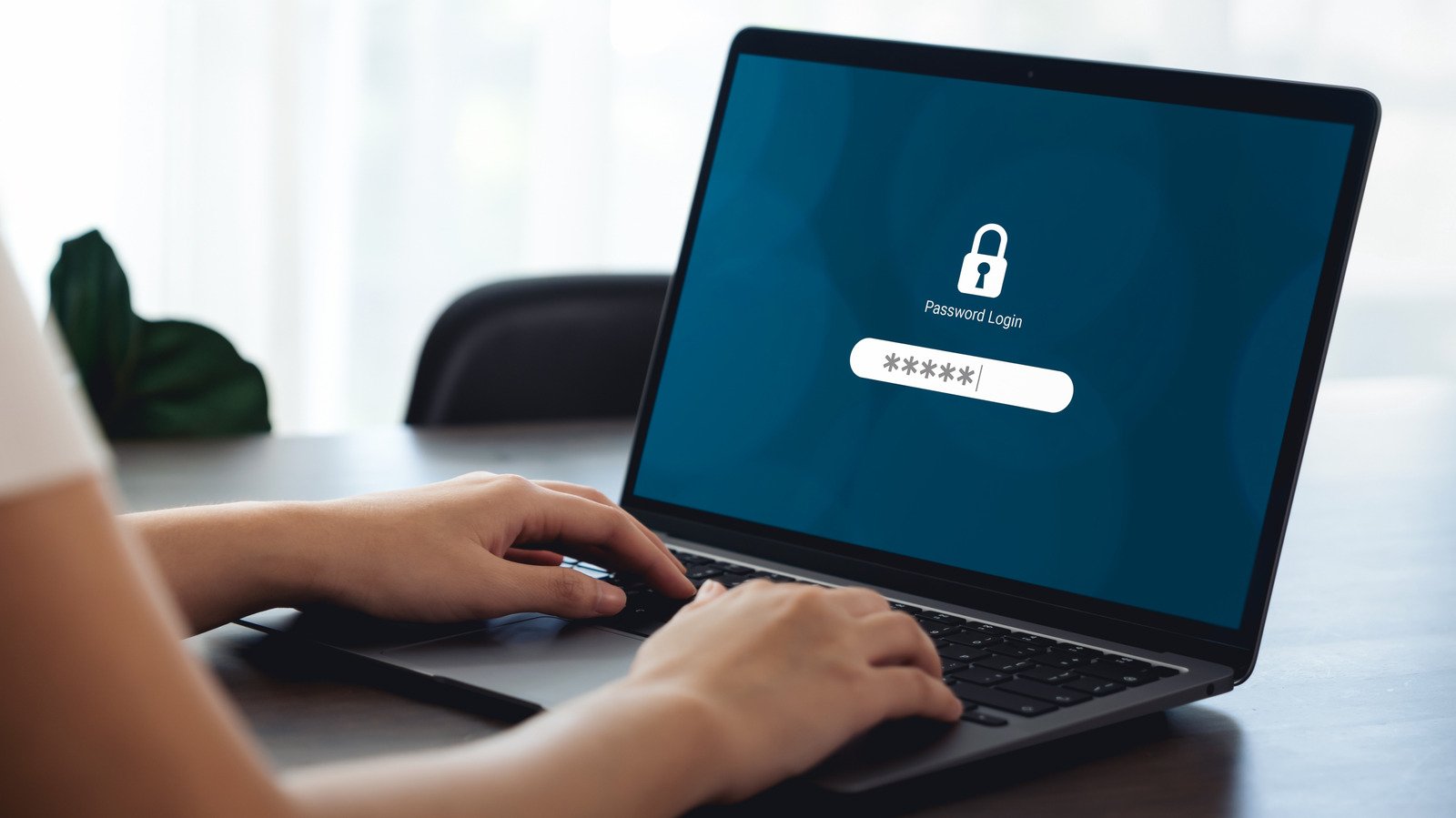
    Here’s what a strong password looks like and how to check whether yours would hold up against hackers, plus a few habits that keep accounts safer.


    A woman's hands on a laptop keyboard, the screen showing password login.
    PATCHARIN.IN/Shutterstock

    Remember the old days when you’d try to use “1234” or “password” as your password? There really was never a time when passwords like those were secure. Thankfully, nowadays, most services don’t even permit you to use passwords that aren’t secure enough. They require a combination of letters, numbers and symbols along with different letter cases before accepting your chosen password. It makes passwords tougher to remember on the one hand, but it’s essential in this day and age to ensure that your password can’t be easily cracked by nefarious individuals or even AI systems.

    But even if you think you have created a password that Robert Langdon from The Da Vinci Code himself couldn’t crack, how do you truly know how secure it is? Usually, if it includes all the elements noted above, especially if the letters do not connect to spell an actual word, you’re in a good spot.

    To know for sure, you can run it through a free password strength checker, such as the one at Security.org. However, remember that creating a secure password is just one of the steps you can take to be safer online.

    What makes a good password and how to test its strength


    A hand on a keyboard in the dark with a lock and stars for a password overlaid on the image.
    Hirun/Getty Images

    It’s important to understand what makes a good password in the first place. It should be at least 12 characters, and in fact, many sites do not let you submit a password that is less than that anyway. Along with the aforementioned upper and lower case letters, numbers and symbols, keep in mind that the letters should not spell a discernible, and certainly not an identifiable word like your surname. They should also not be consecutive in the alphabet, like “LMNOP,” or in a row on a keyboard, like “QWERTY.” The same goes for numbers, which should be random instead of something like your birthday or street address. The letters and numbers should not be repeated as well, like “BBB” or “555.”

    Once you create a password you think is secure, enter it into the Security.org checker, which evaluates it and provides feedback. As you type, the site shows how long it would take a computer to crack the password. The more characters you add, the longer this duration becomes. I went from a password with letters and numbers that would take four years to figure out to one with symbols that bumps it to 2 million years before someone could crack it. It’s safe to say both are secure, but the latter is more secure. When I tried using a simple word with consecutive numbers, it advised that the password could be cracked in three days.

    How password managers and authenticator apps add security


    A hand holding a phone up to a computer screen with two-factor authentication.
    Alvarez/Getty Images

    When creating an account, you might see an option to “create a strong password” automatically after which you can save it to password memory, like Apple MacBook’s Passwords app or a third-party password manager like 1Password. It’s a good idea to use these even over signing in with an existing Google, Apple or other account. There are convenience benefits to doing that, but for extra security, create a new login.

    If this automatic password creation option isn’t offered, you can use third-party services like LastPass to generate a strong password. For an extra layer of security, you can also add an authenticator app like Google Authenticator, which generates a six-digit code that continuously changes. After entering your password, you’re asked to input the appropriate code given by the authenticator app every time you log in, making the account even tougher to crack. But this two-factor authentication method isn’t always available. 

    There are pros and cons of using a password manager over an authenticator app, but there’s no reason you can’t use both. If the site offers passkeys versus passwords, these are worth using. They can be more secure, relying on a private key accessed through biometrics (your fingerprint or face) or a PIN.

    Along with having a secure password, it is also important to make every password unique. If you use the same password for everything, no matter how secure, what happens if someone gains access to it from one account? This could happen through a breach or even human error, and it would unlock all your accounts and services. Keeping passwords secure and unique to every service and changing them every 60 to 90 days or immediately if a breach has been reported will keep you as safe as possible.

    Heres password Secure test
    Share. Facebook Twitter Pinterest LinkedIn Tumblr Email
    admin
    • Website

    Related Posts

    These iOS Settings Will Help You Control Your Mobile Data Use

    November 22, 2026

    What The Tiny Key Icon Means On Your Android Device

    November 22, 2026

    You Don’t Need A Foldable Phone To Use Split Screen On Android

    November 22, 2026
    Leave A Reply Cancel Reply

    Top Posts

    NVIDIA Is Investigating Reports That CEO Jensen Huang Was The Target Of Chinese Spy Efforts

    November 8, 202619 Views

    ADIndex: Layer-Adaptive Sparse Attention Indexing via Group-Level Distillation

    November 11, 20266 Views

    Anthropic releases new Mythos and Fable models amid RSI concerns

    November 9, 20266 Views

    If AGI is so close, why is everyone leaving? The neolabs and their bets

    November 6, 20266 Views
    Don't Miss
    AI in Business

    OpenAI’s chief scientist has thoughts on how to limit AI development

    By adminNovember 22, 20260

    A new blog post from OpenAI’s chief scientist Jakub Pachocki discusses potential limits on AI…

    How Secure Is Your Password? Here’s How To Test It

    November 22, 2026

    These iOS Settings Will Help You Control Your Mobile Data Use

    November 22, 2026

    What The Tiny Key Icon Means On Your Android Device

    November 22, 2026
    About Us

    Welcome to TechWave Dispatch

    At TechWave Dispatch, we bring you the latest news, insights, and developments from the ever-evolving world of technology. Our mission is to keep readers informed about the innovations shaping our digital future.

    From artificial intelligence and machine learning to cybersecurity, robotics, smart devices, and groundbreaking technologies, we cover the topics that matter in today's fast-moving tech landscape.

    Our Picks

    OpenAI’s chief scientist has thoughts on how to limit AI development

    November 22, 2026

    How Secure Is Your Password? Here’s How To Test It

    November 22, 2026

    These iOS Settings Will Help You Control Your Mobile Data Use

    November 22, 2026
    Most Popular

    Egyptian and Nigerian English join the Open ASR Leaderboard

    November 6, 20260 Views

    Ads in Chatbots Have Arrived. Here’s What’s Working—and What’s Not

    November 6, 20260 Views

    The General Purpose Pendulum – O’Reilly

    November 6, 20260 Views
    Facebook X (Twitter) Instagram Pinterest
    • Terms and Conditions
    • Privacy Policy
    • Contact Us
    • About Us
    © 2026 TechWave Dispatch. All Rights Reserved.

    Type above and press Enter to search. Press Esc to cancel.