Close Menu
techwavedispatch.com

    Subscribe to Updates

    Get the latest creative news from FooBar about art, design and business.

    What's Hot

    Pre-Orders For Some Apple Home Collection Devices Will Open November 13

    November 12, 2026

    Build composable, interoperable multi-agent systems with A2A on AWS

    November 12, 2026

    Jensen Huang is out at Nvidia — who is Colette Kress, his interim replacement?

    November 12, 2026
    Facebook X (Twitter) Instagram
    Trending
    • Pre-Orders For Some Apple Home Collection Devices Will Open November 13
    • Build composable, interoperable multi-agent systems with A2A on AWS
    • Jensen Huang is out at Nvidia — who is Colette Kress, his interim replacement?
    • Benchmarking Text-to-Speech Models in the Wild
    • I tried Google’s AI glasses and Meta’s finally got real competition
    • Norwest pushes deeper into AI with new $4B fund
    • StarCoder2 and The Stack v2
    • Here’s How Google Says It’s Making Its Smart Glasses More Private
    Facebook X (Twitter) Instagram
    techwavedispatch.com
    Subscribe
    Thursday, November 12
    • Home
    • AI Tools & Software
    • Machine Learning
    • Generative AI
    • Robotics & Automation
    • Future Tech & Hardware
    • AI in Business
    • Ethics & Regulations
    • More
      • Gadgets & Smart Devices
      • Cybersecurity & AI
      • Tech Breakthroughs
    techwavedispatch.com
    Home»Gadgets & Smart Devices»Military Radar Can Make Your Router Switch Wi-Fi Channels
    Gadgets & Smart Devices

    Military Radar Can Make Your Router Switch Wi-Fi Channels

    adminBy adminNovember 9, 2026No Comments4 Mins Read
    Facebook Twitter Pinterest LinkedIn Tumblr Email
    Military Radar Can Make Your Router Switch Wi-Fi Channels
    Share
    Facebook Twitter LinkedIn Pinterest Email


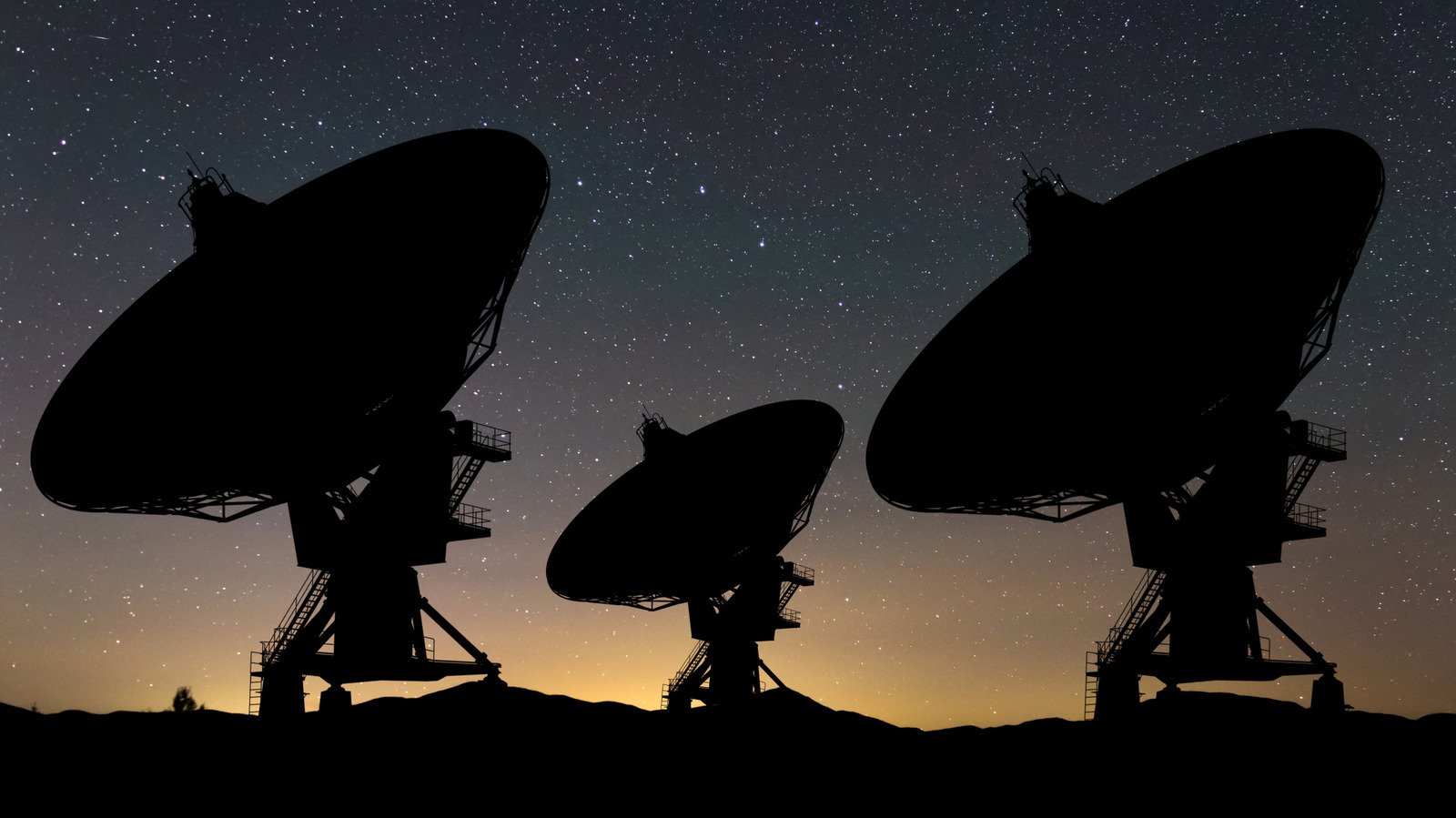
    Radar system silhouettes against a starry night backdrop.
    Bymuratdeniz/Getty Images

    You might notice that every so often, your dual-band router drops its 5 GHz network without warning. Phones and laptops connected to it drop down to the slower 2.4 GHz band, video calls begin to stutter and freeze, and a few minutes later, everything comes back on a different channel. If you take a look in your router’s event log afterward, you might notice the word “RADAR” appearing throughout.

    That’s Dynamic Frequency Selection, or DFS, in action. According to ASUS, it’s how the router gives way to military radar, satellite communication and weather radar that has priority on large parts of the 5 GHz band. In the United States, Federal Communications Commission (FCC) rules require a router to listen for radar on one of those shared channels for 60 seconds before it transmits, to stop within 10 seconds of hearing one and to stay off that channel for at least 30 minutes afterward. DFS is switched on by default, and the FCC requires it to stay that way in the shared bands.

    Sharing the 5 GHz band

    The radar that’s most likely to interfere with a US home network isn’t the military, though, it’s those found at airports. The Federal Aviation Administration (FAA) runs 45 Terminal Doppler Weather Radar systems that protect 46 of the country’s busiest airports, from JFK and O’Hare to Dallas and Denver. Their job is to spot wind shear, the sudden and potentially dangerous change in wind speed and direction that has historically caused aviation accidents during approach and departure; they transmit between 5600 and 5650 MHz right in the middle of the 5 GHz Wi-Fi band. Per the FAA, no wind shear accident has occurred at a TDWR-protected airport since the system was commissioned in 1994.

    In early 2009, the FAA began detecting interference to those radars caused by unlicensed 5 GHz equipment, prompting a joint investigation with the National Telecommunications and Information Administration (NTIA). Enforcement followed, and in August 2019, the FCC proposed $25,000 fines against three wireless ISPs — Boom Solutions, Integra Wireless and WinPR — after their equipment interfered with the weather radar at the San Juan International Airport in Puerto Rico. In each case, the FCC said the companies had turned DFS off. WinPR’s penalty was confirmed that November and Boom Solutions’ in early 2020. While those were outdoor point-to-point links and not home routers, they’re a good example of why router manufacturers can’t simply drop a feature because it annoys their customers.

    What your router does when it hears radar


    A router on a floor in a well-lit house.
    Lucas Ninno/Getty Images

    That government-mandated 60-second listen happens each time a router spins up on a DFS channel, which is why 5 GHz can take longer than 2.4 GHz to reappear after you restart your router. ASUS says the wait can take anywhere from one to 10 minutes depending on the country. The upper end of the scale is in Europe, where the ETSI standard governing 5 GHz Wi-Fi demands a 10-minute check on any channel that overlaps the 5600 to 5650 MHz weather radar slot.

    Radar detected mid-session triggers the 10-second exit and 30-minute lockout. FRITZ! says its routers steer connected devices to 2.4 GHz while they wait, “seamlessly” for devices that support the 802.11k and 802.11v roaming standards and by briefly dropping the connection for older ones. ASUS, meanwhile, notes that a radar hit on a 160 MHz channel can push the router down to 80 MHz, and that a router set to a fixed channel won’t move back once the radar goes away.

    So, it’s fine to use DFS channels. They’re legal, enabled out of the box and most of the 5 GHz band is made up of them; only channels 36 to 48 and 149 to 165 are radar-free in the United States. The trade-off is occasional interruptions if you live near somewhere like an airport or military base. FRITZ!’s threshold is radar detected continuously or every hour, at which point it recommends pinning the router to channels 36 to 48.

    Turning DFS off

    ASUS provides instructions for disabling automatic DFS channels that also tell users to untick 160 MHz channel bandwidth, because the widest 5 GHz channels can’t be built without the radar-shared spectrum.

    So, by turning DFS off, you’ll get some extra stability at the cost of losing out on the fastest 5 GHz connection your router can offer. That’s worth thinking about before you go hunting for tweaks that could speed up your router. You’ll find these settings alongside the options you’d change to improve your router’s security, usually under the 5 GHz wireless menu.


    Channels Military Radar Router Switch WiFi
    Share. Facebook Twitter Pinterest LinkedIn Tumblr Email
    admin
    • Website

    Related Posts

    Pre-Orders For Some Apple Home Collection Devices Will Open November 13

    November 12, 2026

    I tried Google’s AI glasses and Meta’s finally got real competition

    November 12, 2026

    Here’s How Google Says It’s Making Its Smart Glasses More Private

    November 12, 2026
    Leave A Reply Cancel Reply

    Top Posts

    NVIDIA Is Investigating Reports That CEO Jensen Huang Was The Target Of Chinese Spy Efforts

    November 8, 202619 Views

    Anthropic releases new Mythos and Fable models amid RSI concerns

    November 9, 20265 Views

    Anthropic says AI is eroding Nvidia’s CUDA lead, cutting an AMD chip switch from months to three days

    November 11, 20264 Views

    ADIndex: Layer-Adaptive Sparse Attention Indexing via Group-Level Distillation

    November 11, 20264 Views
    Don't Miss
    Gadgets & Smart Devices

    Pre-Orders For Some Apple Home Collection Devices Will Open November 13

    By adminNovember 12, 20260

    On the same day that the Apple HomeView smart display and refreshed Apple TV 4K…

    Build composable, interoperable multi-agent systems with A2A on AWS

    November 12, 2026

    Jensen Huang is out at Nvidia — who is Colette Kress, his interim replacement?

    November 12, 2026

    Benchmarking Text-to-Speech Models in the Wild

    November 12, 2026
    About Us

    Welcome to TechWave Dispatch

    At TechWave Dispatch, we bring you the latest news, insights, and developments from the ever-evolving world of technology. Our mission is to keep readers informed about the innovations shaping our digital future.

    From artificial intelligence and machine learning to cybersecurity, robotics, smart devices, and groundbreaking technologies, we cover the topics that matter in today's fast-moving tech landscape.

    Our Picks

    Pre-Orders For Some Apple Home Collection Devices Will Open November 13

    November 12, 2026

    Build composable, interoperable multi-agent systems with A2A on AWS

    November 12, 2026

    Jensen Huang is out at Nvidia — who is Colette Kress, his interim replacement?

    November 12, 2026
    Most Popular

    Who Controls Scientific Discovery? – O’Reilly

    November 6, 20260 Views

    After blocking Muse, Amazon now lets users text Alexa to help them shop

    November 6, 20260 Views

    A controlled world for robot learning and evaluation

    November 6, 20260 Views
    Facebook X (Twitter) Instagram Pinterest
    • Terms and Conditions
    • Privacy Policy
    • Contact Us
    • About Us
    © 2026 TechWave Dispatch. All Rights Reserved.

    Type above and press Enter to search. Press Esc to cancel.