

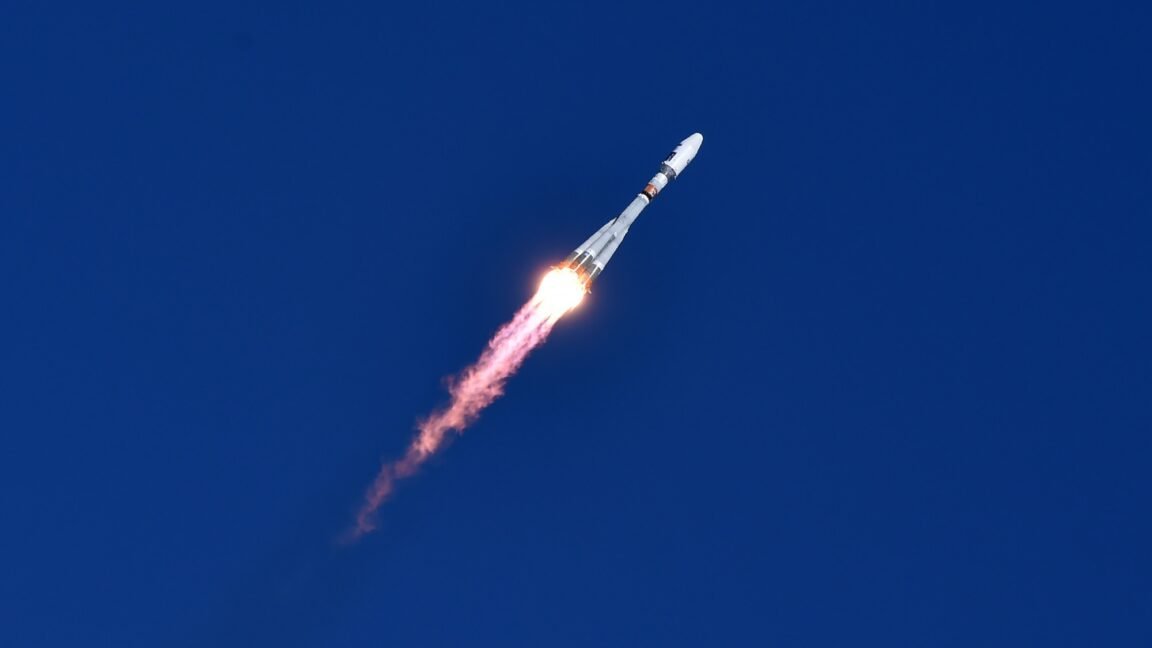
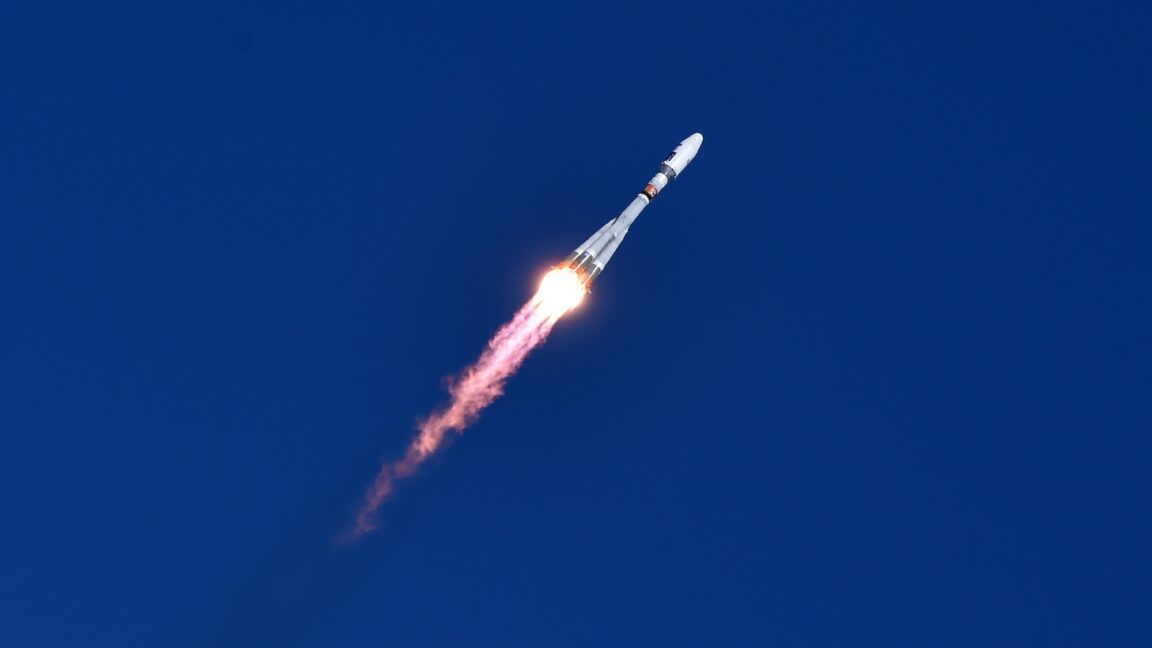
If it goes ahead, the launch would violate the 1967 Outer Space Treaty, which prohibits the deployment of weapons of mass destruction in space. Russia is a party to the treaty, but the Russian government vetoed a draft UN Security Council resolution in 2024 seeking to reaffirm the prohibition on weapons of mass destruction in space.
German Chancellor Friedrich Merz did not address the timing of the potential launch when asked about it at a press conference Monday.
“The news that Russia is planning to arm space with nuclear weapons is not new, but that doesn’t make it any less shocking,” Merz said. “It shows the extent to which Russia is apparently prepared to escalate the situation.”
The German news reports published Monday come a month after the US military’s Defense Intelligence Agency highlighted the threat of a Russian nuclear-armed satellite.
“Russia is developing a satellite designed to carry a nuclear weapon despite its obligation to comply with the 1967 Outer Space Treaty,” the DIA said in a public report on challenges to security in space. “A space-based capability such as this could cause rapid and sudden loss or degradation of thousands of satellites operated by countries and companies around the world, as well as to the vital communications, navigation, scientific, meteorological, commercial, and national security services they provide.
“Beyond its immediate effects, a nuclear detonation in space would also leave lingering radiation belts, which could persist for years and damage satellites that initially were only temporarily disrupted,” the DIA said.
The Pentagon increasingly relies upon satellites to support military operations. US forces have used satellites for navigation, strategic communications, missile warning, and surveillance for decades. The US military is now launching satellites to support real-time targeting of missiles, aircraft, and land and sea vehicles, incorporating space platforms into a wider array of offensive and defensive operations.
