

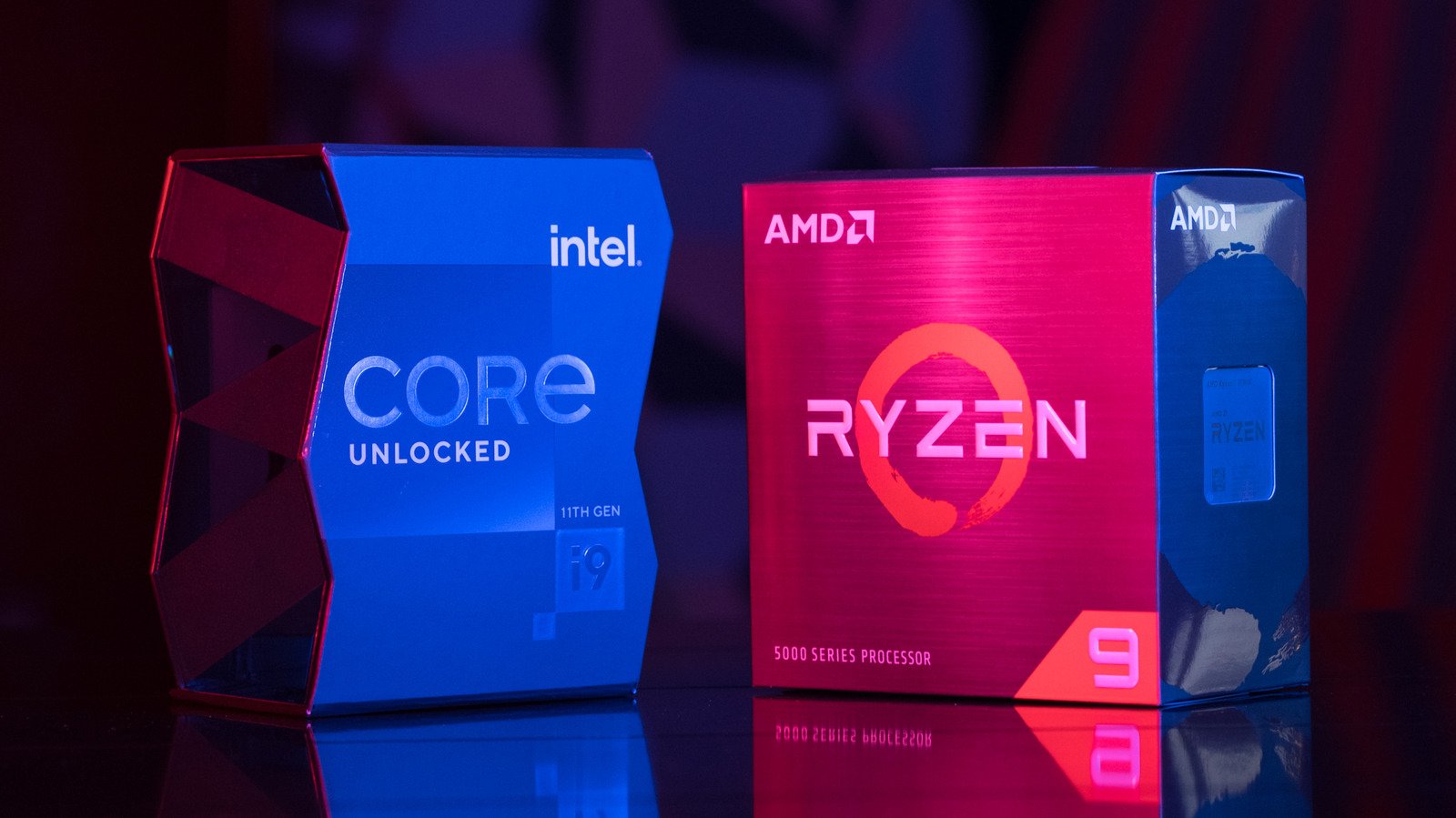
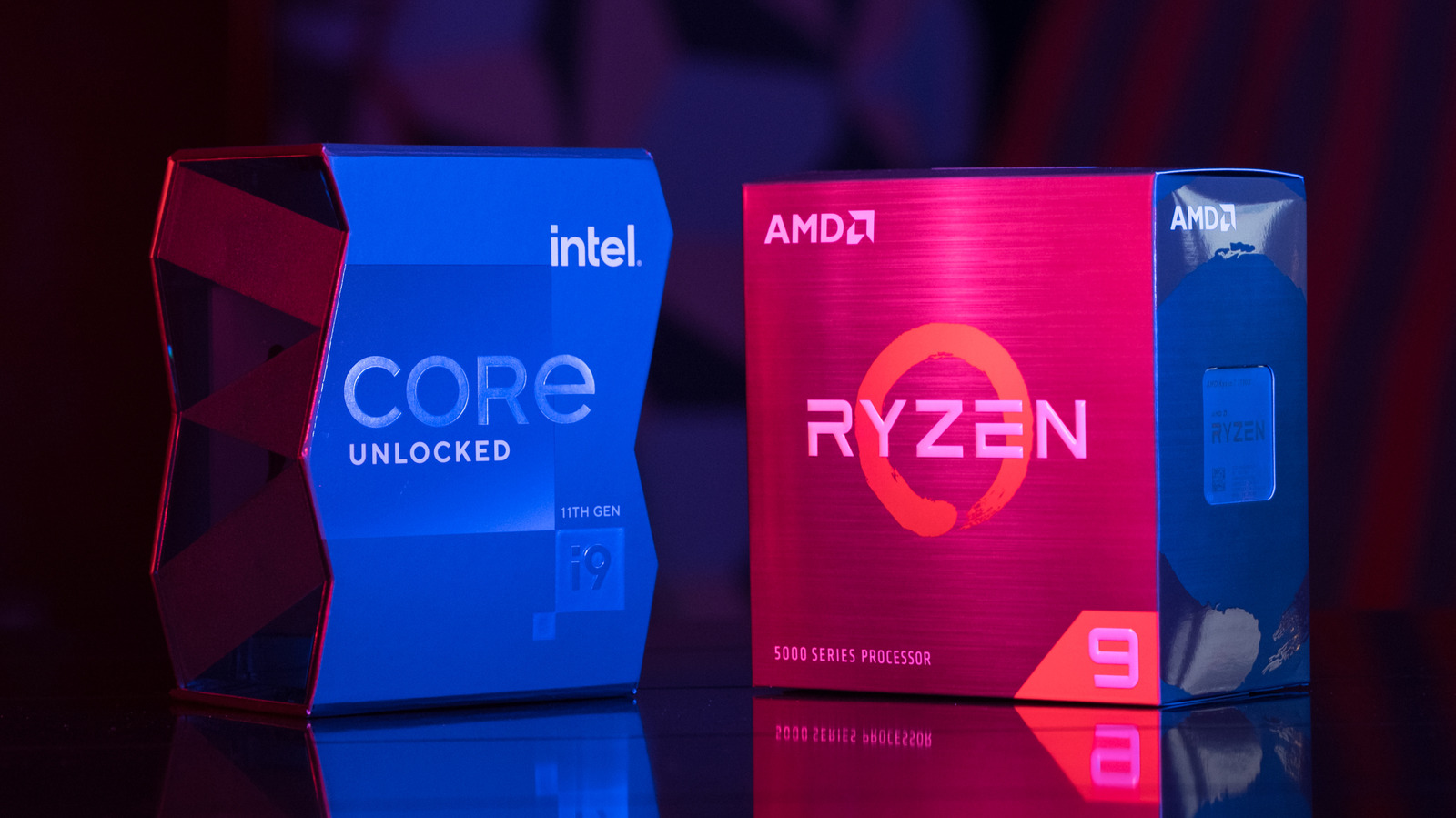
AMD and Intel have taken different routes to building a modern-day desktop processor. Their differing architectural design choices are reflected in the benchmarks, with each serving a dedicated purpose.
AMD’s 9000 chips are built on its Zen 5 architecture using chiplets, which means smaller pieces of silicon packaged together into a single processor. An 8-core compute die handles the processing, while a separate I/O die manages the connections to memory and the rest of the PC. The higher-end variants of the chip, like the Ryzen 9 9950X, house two compute dies. Every Zen 5 core has the ability to run two threads (streams of instructions) at once, which suggests the 8-core Ryzen 7 9800X3D handles 16 threads.
The X3D versions add AMD’s signature feature to the mix: a 3D V-Cache. Cache is a small pool of ultra-fast memory built into the processor; the more of it a chip has, the less it has to wait for the system’s slower RAM, which makes certain operations faster than others. X3D chips stack an extra 64MB cache die on top of the 32MB that comes standard on the processor itself, for a total of 96MB of L3 cache. With Zen 5, AMD moved that cache die below the cores instead of on top, which lets the cores dissipate heat more easily. That’s one reason why the 9800X3D boosts to 5.2GHz, up from 5GHz on the older 7800X3D variant.
Intel’s Arrow Lake chips, which are branded under the Core Ultra 200S series and refreshed as the 200S Plus, split the processor into tiles. These are separate pieces of silicon for computing, graphics, and input and output, all mounted on a single shared base. Intel outsourced the tile manufacturing to TSMC and only packages them together when they’re ready.
Intel blends two kinds of cores together: performance and efficiency. Performance cores handle demanding single tasks, while the smaller efficiency cores pick up background and parallel work. The Core Ultra 7 270K Plus has 8 performance and 16 efficiency cores. However, Intel dropped its Hyper-Threading feature, which was its version of running two threads per core. This means the chip runs 24 threads across its 24 cores. It houses 36MB of L3 cache, well short of what AMD’s X3D chips offer.
AMD went big on cache memory, which games love. Intel focused on core count, which pays off when you’re exporting video, compiling code or juggling heavy apps. That trade-off is straightforward.
