

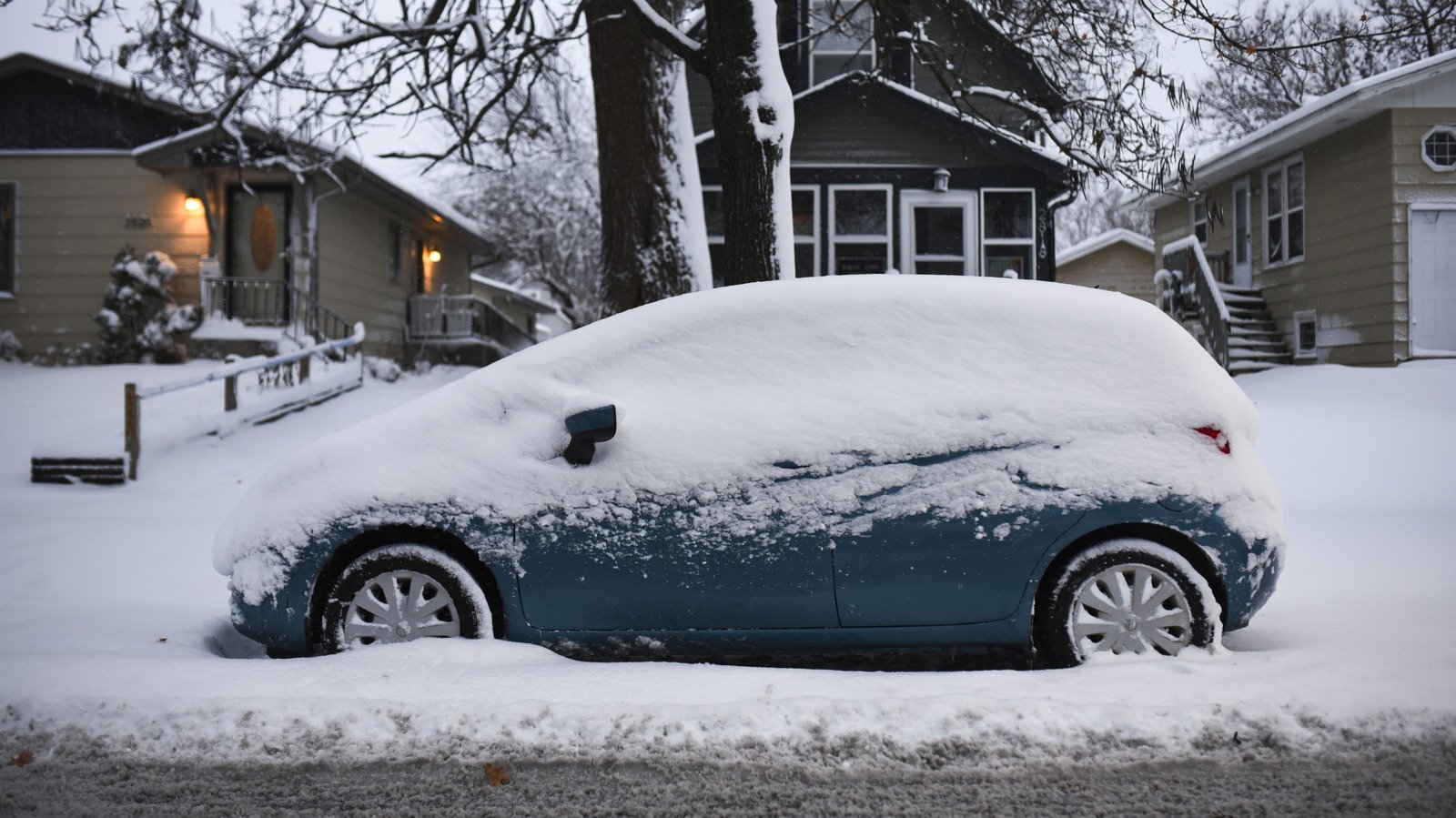
Here are some things that should help prevent a breakdown, and make life less miserable if one happens anyway.
Auto emergencies are never fun, but winter can make them especially miserable. And while no gadget will have you looking forward to changing a tire in freezing weather, there are a few items you can stash behind the seat or in the glovebox to make things more bearable. Some might even get you home sooner.
Portable jump starter
One of the coolest advancements in this space from the past decade or so is the portable lithium-ion jump starter, which can spare you the trouble of flagging down a stranger with jumper cables. A little investment now can make things a lot easier when your battery conks out.
Most have reverse polarity protection, so you don’t need to worry about a blown fuse (or worse) if you accidentally hook it up backward. Just make sure it’s rated for your engine size and that its supported temperature range fits your climate.
The bigger catch is remembering to charge it. Lithium batteries hold less charge in the cold, so winter months are an especially good time to remind yourself to plug it in frequently.
Portable tire inflator
Losing tire pressure is more of an issue in the winter. Your tires can lose 1 to 2 psi for every 10-degree Fahrenheit drop in temperature. A tire inflator can help you avoid having to hunt down a gas station with air pumps. You can get models that run on their own battery or plug into your car’s 12-volt outlet.
Some versions are a combination jump starter and tire inflator, letting you check off two items from this list with one device. The downside is that if the battery dies, you lose both. If it’s within your budget, buying separate ones is a safer bet.
Headlamp or neck light
With fewer daylight hours and more snow, winter means any unforeseen tire changes are more likely to happen in the dark. A headlamp or neck light can keep your hands free while you get the most annoying part of your week over with.
Models that use AA or AAA batteries are a good choice; that way, you can keep spares in the glovebox. Go with lithium cells, which work in extreme cold and can sit for years without leaking.
LED road flares
Your own ability to see isn’t the only concern. If you’re stuck on the side of the highway, turning on your hazard lights and keeping a reflective warning triangle around are a good start, but it also can’t hurt to have a few LED road flares stashed away. Set them up if you find yourself broken down at night and give approaching drivers a can’t-miss sign that you’re there.
Power bank
Heated blanket or vest
A heated blanket or disposable heated vest can keep you warm when your engine goes out. Plenty of heated blankets are designed to plug into your car’s 12-volt outlet, although you definitely shouldn’t do that if your engine is already dead. Drawing power from the car’s battery for too long may deplete the one power source that could start the engine again. But even if you don’t want to invest in a heated one, storing a regular, non-heated blanket in your car may be all you need.
Although not a tech product, air-activated heated vests work like disposable hand warmers; only here, the self-heating pads are attached to a one-time-use vest. You can get them in a variety of sizes for the family. But like with HotHands, just remember not to open the packaging until it’s time to put it on.
More boring, less techie stuff
Speaking of non-powered items, there are a few other things to keep in your car this winter that aren’t exactly tech gadgets. A folding steel shovel is a good start, helping you dig out tires and clear the tailpipe if you get stuck. Ditto for a snow brush and ice scraper. You could even include clothing, like a pair of gloves and a hat, plus some hand warmers and a small first-aid kit.
And at least once per season, check that anything with a battery still holds a charge. Otherwise, you’re just lugging around a bunch of stuff that won’t help when you actually need it.
