


The answer isn’t so simple.
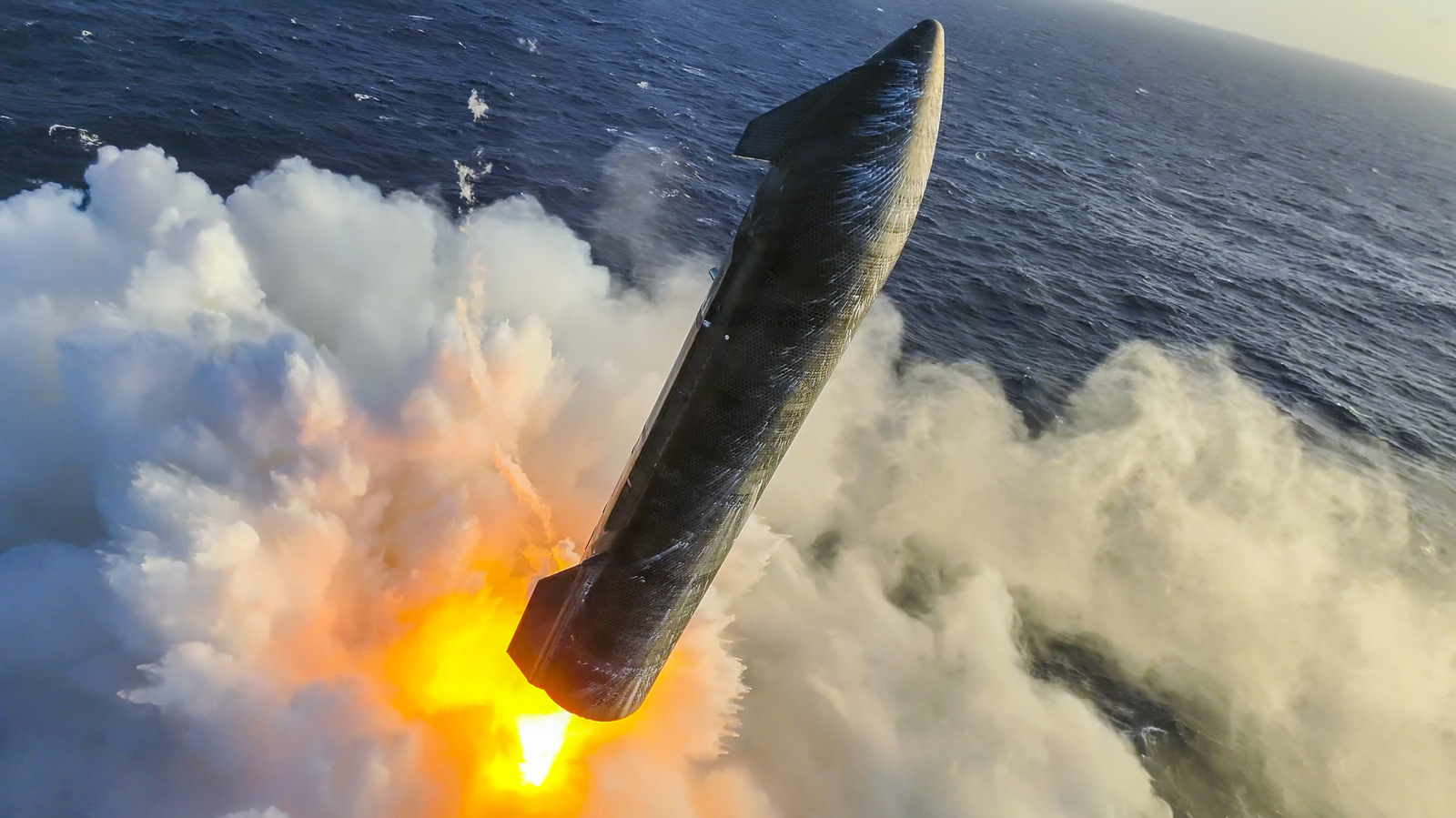
In late September 2026, SpaceX’s Starship entered orbit for the first time, deploying 26 Starlink satellites in what was heralded as a major step for SpaceX’s cosmic ambitions. However, the celebration was cut short when a failed engine forced the mission to end shortly after reaching orbit. The malfunction prevented the intended six-revolution trek through Earth’s orbit, falling well short of its 10-hour goal.
This result is typical for Starship, as the company’s “fail fast, learn fast” mindset recasts the program’s failures — anywhere between four and 11 of 14 total launches, depending on how generous you are — as opportunities for growth. This has been true since its first test flight in April 2023, which exploded 65 miles short of its intended climb into Earth’s atmosphere. As Musk tweeted after the fiery test, “Congrats @SpaceX team on an exciting test launch of Starship! Learned a lot for next test launch.”
Given SpaceX’s success to date, it is hard to argue with the company’s logic. According to analytics firm BryceTech, SpaceX launched 85 percent of all spacecraft in 2025, including over half the world’s orbital launches. To boot, Starlink’s 9,800 active satellites currently account for over half of the world’s total, according to satellite tracker Orbital Radar.
The largest and most powerful rocket ever assembled, Starship has a cargo capacity five times larger than SpaceX’s Falcon 9 rocket. This makes it essential for SpaceX’s grander ambitions, including its million-satellite constellation, NASA’s lunar missions and Musk’s Mars colony dream. With another launch set for November 13, 2026, stakeholders will soon see whether the September launch represented progress or foreshadowed further additions to SpaceX’s growing list of frustrations.
A checkered history
Gauging the success of the Starship project is difficult. Although some missions may fit within a binary success-failure matrix, most land somewhere in between. And while it has yet to deliver a fully-reusable rocket capable of missions to “Mars and beyond,” progress was always going to be incremental. As such, its only fair to judge each mission against its own standards of progress.
Starship’s start was turbulent. After its initial test combusted within minutes, its second flight saw the first-stage booster separate before the booster and vessel met fiery ends. Five months later, Starship’s third test flight completed many of its objectives, reaching an altitude of 145 miles before disintegrating on its return. SpaceX then had two back-to-back successful launches, culminating in its launch tower successfully catching Starship’s first-stage booster.
Unfortunately, another troubled period followed. Test six saw SpaceX call off its lauded mechanical arm before crashing the Super Heavy booster into the Gulf of Mexico. Two months later, Starship 7 exploded over the Bahamas just eight minutes after takeoff, sparking investigations by both the FAA and the Turks and Caicos government. The FAA launched another investigation after Starship’s eighth test exploded in space, grounding planes across Florida. Starship 9 achieved minor improvements before spinning out of control, forcing SpaceX to cancel its planned deployment of 8 mock satellites.
Starship followed the disastrous run with a pair of its most successful tests. In August 2025, Starship released its first cargo of Starlink satellites. Two months later, SpaceX successfully launched and landed its 11th Starship rocket, fulfilling all major objectives.
Starship’s twelfth test launched its upgraded Starship V3 rocket. While it accomplished several objectives, engine failures caused it to crash into the Gulf, triggering yet another FAA investigation. In July 2026, Starship 13 successfully deployed 20 of Starlink’s new high-powered satellites before its first-stage booster failed to stick the landing. Considering its scattershot history, Starship 14’s semi-successful run is par for the course.
Failing towards the stars?
Judging each mission against its stated objectives, most Starship launches have failed to meet expectations. SpaceX, however, would likely claim that its willingness to learn from mistakes puts its true failure rate closer to zero. The better question is whether the program is learning quickly enough to keep pace with its own meteoric ambitions.
If one takes Musk’s proclamations as a measuring stick, Starship has underdelivered. In 2025, Musk predicted there was a 50 percent chance Starship would land on Mars in 2026. And with the once-every-26-months Mars launch window closing this November, you can guess which side of the coin SpaceX landed on. Of course, Musk is notorious for overpromising, so this is business as usual at Starbase.
Earlier this year, NASA announced that the program had fallen behind schedule by at least two years since the Agency selected SpaceX’s rocket to carry its Artemis moon lander in 2021. With China aiming to reach the moon by decade’s end, the pressure is mounting. NASA hopes to return to the moon in 2028; to do so, Starship must meet the Artemis III deadline in summer 2027.
Beyond being Musk’s conduit to Mars, SpaceX’s most ambitious projects depend on Starship to slash costs. SpaceX’s proposed 1 million-satellite datacenter constellation Starmind, for example, is impossible without a high-capacity reusable rocket. The November 13 test should provide another data point to judge SpaceX’s progress, especially given its ambitions. In a Q3 earnings call, Musk stated that SpaceX will attempt to catch both the rocket and its booster, making it the
“first time that an orbital launch vehicle has been fully recovered.” During the event, Musk said the mission was “more likely than not” to succeed. Starship’s history may say otherwise.
